Article Highlights
- Painting existing aluminium window frames can result in peeling, uneven coverage and damage to seals, tracks or drainage openings if the surface is not prepared correctly.
- Repainting is only a cosmetic change and will not fix corrosion, draughts, leaks, failed seals or windows that no longer open and close properly.
- Replacing the complete window and frame provides a more durable long-term solution, with new powder-coated aluminium frames, glazing and hardware selected to suit the home.
Can you paint aluminium window frames to update faded or outdated windows? While it is technically possible, painting existing frames is often a short-term cosmetic fix. The finish may peel, bubble or wear unevenly, and paint will not repair corrosion, failed seals, draughts, leaks or windows that no longer operate properly.
In this blog, Perth Window & Door Replacement Company explains why repainting existing aluminium frames is rarely the best long-term solution and when replacing the complete window and frame with a new aluminium window system may provide a more durable and consistent result. New frames also provide a factory-applied powder-coated finish in a choice of colours.
Can You Paint Aluminium Window Frames?
Yes, aluminium window frames can technically be painted, but repainting an existing frame is rarely the best long-term solution. Achieving an even, durable finish requires extensive surface preparation, and the new coating may still peel, bubble, fade or fail to match nearby powder-coated windows and doors.
Painting also changes only the appearance of the frame. It will not correct corrosion, damaged seals, water leaks, draughts, faulty hardware or windows that no longer open and close properly.
Where the frames are deteriorating, outdated or no longer performing as required, professional window replacement provides a more dependable solution. The complete window and frame can be replaced with a new powder-coated aluminium system selected to suit the home.
What to Check Before Deciding Whether to Paint Aluminium Window Frames
Before deciding whether to paint aluminium window frames, inspect the complete window to determine whether the problem is purely cosmetic or a sign that the frame is deteriorating. Repainting can conceal visible wear without addressing faults that affect operation, weather protection or overall performance.
Check for:
- Corrosion, bubbling or flaking beneath the existing coating
- Cracks, dents or loose sections in the aluminium frame
- Windows that stick, rattle or no longer open and close correctly
- Damaged seals around the frame or glass
- Draughts, moisture or water entering around the window
- Paint or coating that is peeling or poorly bonded
- Tracks, hardware or drainage openings that could be affected by paint
Even where the frame appears structurally sound, an on-site painted finish may be difficult to match with existing powder-coated windows and doors. If the frames are corroded, damaged or no longer operating properly, professional window replacement provides a more dependable solution with new glazing, seals, hardware and a choice of powder-coated frame colours.
Why Is Repainting Aluminium Window Frames Difficult?
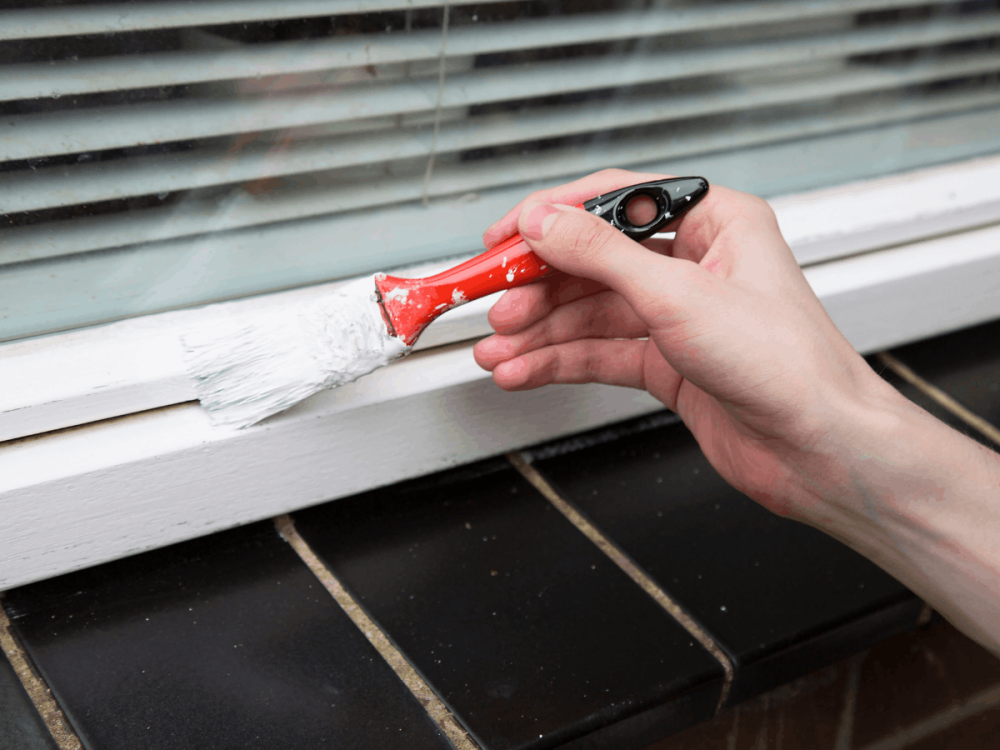
Painting aluminium window frames involves more than applying a new coat of paint. Aluminium surfaces are smooth, and existing powder-coated finishes require careful assessment, sanding and priming. Even with a compatible aluminium primer and several thin coats, an on-site paint job may develop brush marks, uneven colour, poor adhesion or premature wear.
The glass panes, seals, tracks, drainage openings, walls and surrounding surfaces must also be protected. Masking tape can shift, while overspray or thick layers of paint may seal moving parts or interfere with the way the window operates. Moisture, dust, UV rays and other environmental factors can further affect the finish and durability.
New aluminium windows are supplied with a consistent factory-applied finish and a range of powder-coated frame colours. Replacing the complete window and frame generally provides a more durable and reliable result than repainting aluminium window frames on site.
Common Problems When Painting Aluminium Window Frames
Even with suitable products and careful preparation, repainting existing aluminium frames may not create a smooth or long-lasting finish. Existing powder coating, corrosion, moisture, dirt and previous coatings can prevent the primer and paint from bonding evenly to the aluminium surface.
Common issues include:
- Peeling or flaking where the coating has not bonded properly
- Bubbling caused by moisture or corrosion beneath the existing coating
- Visible brush marks, runs or uneven coverage
- Overspray reaching the glass, walls or nearby surfaces
- Thick paint sealing tracks, drainage openings, seals or moving parts
- Difficulty matching the colour of nearby windows, doors and frames
- Faster fading or deterioration on frames exposed to strong UV rays and other environmental factors
Repainting only covers the visible surface and does not correct faults underneath. If corrosion continues to spread, the frames no longer close or lock properly, or water enters around the window, consider whether you should repair or replace the windows rather than applying another cosmetic coating.
Should You Paint or Replace Aluminium Window Frames?
Although painting aluminium window frames may appear more cost-effective, it only changes the visible surface. It does not improve damaged seals, faulty hardware, poor operation, draughts, leaks or the overall performance of the window.
| Factor | Paint existing frames | Replace complete window and frame |
|---|---|---|
| Frame condition | Limited to structurally sound frames with minor cosmetic wear | Suitable where frames are corroded, warped or physically damaged |
| Window operation | Does not correct windows that stick, rattle or fail to lock | New frames, hardware and seals support correct operation |
| Finish | May peel, fade or appear uneven over time | Factory-applied powder coating provides a consistent, durable finish |
| Colour | Existing paint can be difficult to match with nearby windows and aluminium doors | New frames can be selected from a coordinated colour range |
| Performance | Does not resolve draughts, leaks or failed seals | Allows the complete window system to be upgraded |
| Long-term result | Cosmetic improvement with uncertain durability | A more durable, low-maintenance replacement solution |
Replacement also allows you to choose a different window style, glass type, frame colour and configuration. Ongoing draughts, moisture problems, corrosion or difficulty opening and closing are common signs that help determine when to replace windows rather than repainting the existing frames.
How Long Does Paint Last on Aluminium Window Frames?
There is no fixed lifespan for paint applied to existing aluminium window frames. The result will depend on the original coating, surface condition, preparation, paint compatibility and how exposed the windows are to sun, moisture and weather.
Exterior frames generally experience more wear from UV rays, temperature changes, dirt and rain. Homes near the coast may also face salt-laden air, making the quality and durability of the frame finish particularly important when selecting coastal windows.
Signs that an on-site painted finish is failing include fading, cracking, bubbling, peeling or separation from the aluminium surface. Repainting may require further maintenance and should not be expected to provide the same consistency or durability as the factory-applied powder-coated finish on new aluminium frames.
Choosing a Colour and Finish for New Aluminium Frames
Changing the paint colour of existing window frames can make it difficult to achieve an even finish or match nearby aluminium doors, door frames and windows. Differences in fading, surface condition and application method may leave the completed paint job looking inconsistent.
Replacing the complete window and frame allows you to select a factory-applied powder-coated colour that complements the walls, roofing, doors and exterior style of the house. This creates a smoother, more durable and low-maintenance finish than painting aluminium window frames on site.
Replace Your Aluminium Windows With Confidence
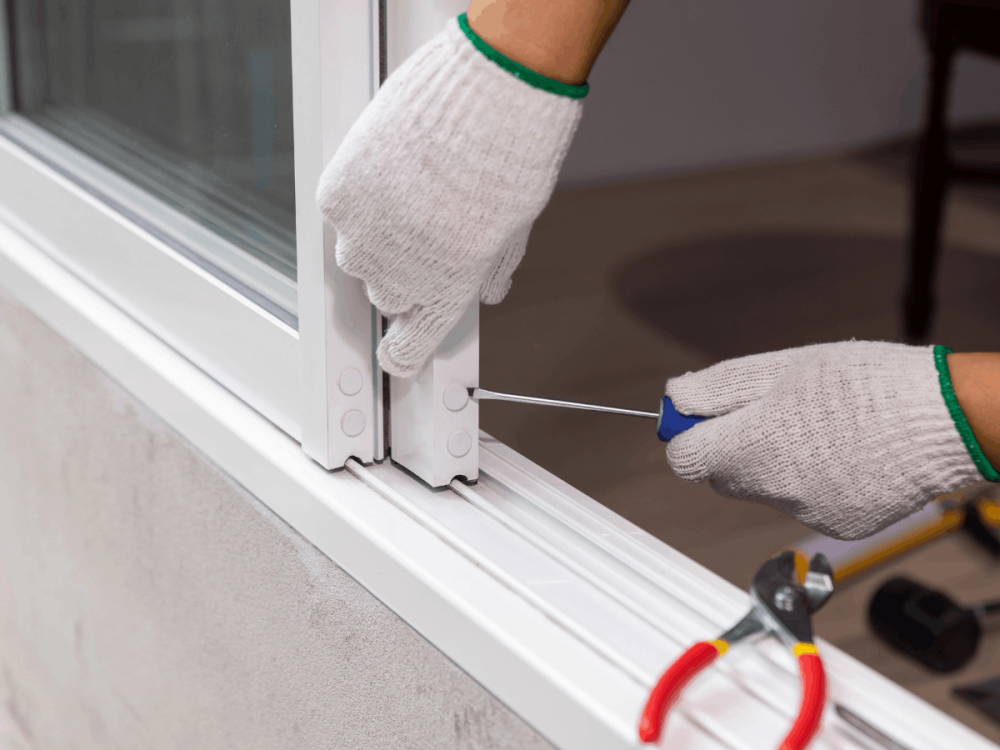
Painting existing aluminium window frames may improve their appearance temporarily, but it will not address corrosion, failed seals, draughts, leaks or windows that no longer operate correctly. An on-site painted finish may also peel, fade or become difficult to match with surrounding windows and doors.
Replacing the complete window and frame provides a more durable, low-maintenance solution. It also allows you to choose a new window style, glazing configuration and factory-applied powder-coated colour to suit your home.
Perth Window & Door Replacement Company offers replacement windows in a range of styles, configurations and finishes. Arrange a free measure and quote to have your existing windows assessed and discuss suitable replacement options.
Frequently Asked Questions
No. An on-site paint job is mainly a cosmetic change, and its durability will depend on the existing coating, surface preparation, product compatibility and exposure to weather. It should not be expected to match the consistency of a factory-applied powder-coated finish.
Painting may conceal minor surface wear, but it will not repair corrosion, dents, failed seals, water leaks or operational problems. Frames with widespread deterioration should be professionally assessed for complete window and frame replacement.
Existing frames can technically be repainted, but changing from a dark colour to a lighter finish may require extensive preparation and several coats. Achieving an even colour that matches nearby windows and doors can also be difficult. Replacement allows a new powder-coated frame colour to be selected as part of the window system.
New aluminium frames generally use a factory-applied powder-coated finish. This creates a consistent, durable and low-maintenance surface available in a range of colours.
Replacement should be considered when frames are corroded, warped or damaged, or when the windows have failed seals, draughts, leaks, faulty hardware or problems opening and closing. Complete replacement addresses the window’s appearance and performance rather than covering the existing surface.