Article Highlights
- Aluminium windows are a durable, low-maintenance option for Perth homes, with flexible designs, colours and configurations to suit different properties.
- The performance of aluminium windows depends on the complete system, including the frame, glazing, seals, installation and whether a thermally broken design is used.
- Choosing the right aluminium windows involves comparing long-term value, energy efficiency, maintenance needs and the requirements of your home.
Are aluminium windows worth it for Perth homes? For many homeowners, the answer is yes. Aluminium window frames offer durability, low maintenance, slim profiles and a wide range of colours and designs. When paired with the right glazing, finish and installation, they can also suit Perth’s hot summers and changing weather conditions.
Before choosing new windows, it is important to compare the frame, glass, maintenance needs and long-term performance of each option. In this blog, Perth Window & Door explains what to look for, how aluminium compares with timber and uPVC, and when thermally broken aluminium or double glazing may be worth considering for your home.
What are the benefits of aluminium windows?
Aluminium windows offer a practical balance of durability, low maintenance and design flexibility. These qualities make them a strong option for many Perth homes, whether you are replacing ageing frames, renovating an established property or selecting windows for a new build.
Durability with minimal maintenance
Aluminium window frames do not rot, swell or warp in the same way timber can when exposed to moisture and changing weather conditions. A powder-coated finish also helps protect the frame while maintaining its colour and appearance.
This durability is particularly useful in Perth, where windows may be exposed to hot summers, strong sunlight, winter rain and coastal air. The most appropriate frame system, finish and maintenance schedule will depend on the property’s location and level of exposure.
Upkeep is also relatively straightforward. Powder-coated frames generally require only occasional cleaning to remove dust, salt and surface deposits. Unlike timber windows, they do not need regular painting or staining, although the glass, tracks, seals and hardware should still be inspected and cleaned as required.
Slim frames and flexible design options
The strength of aluminium allows many window systems to use slim frames while supporting substantial areas of glass. Less visible framing and larger glazed sections can bring more natural light into the house and create clearer views of outdoor areas.
Clean lines also make aluminium a natural fit for modern homes and open-plan living spaces. However, the available opening size and frame profile will depend on the selected window style, glass and structural requirements.
Powder-coated frames are available in a broad range of window and door colours. A finish can be selected to blend with the home’s existing materials or create contrast as part of the architectural design.
Aluminium suits a broad range of window configurations, including sliding, awning, casement, fixed and bi-fold windows. Where an opening has unusual dimensions or a renovation requires a particular shape, colour or operating style, custom windows provide additional flexibility.
Are aluminium windows energy efficient?
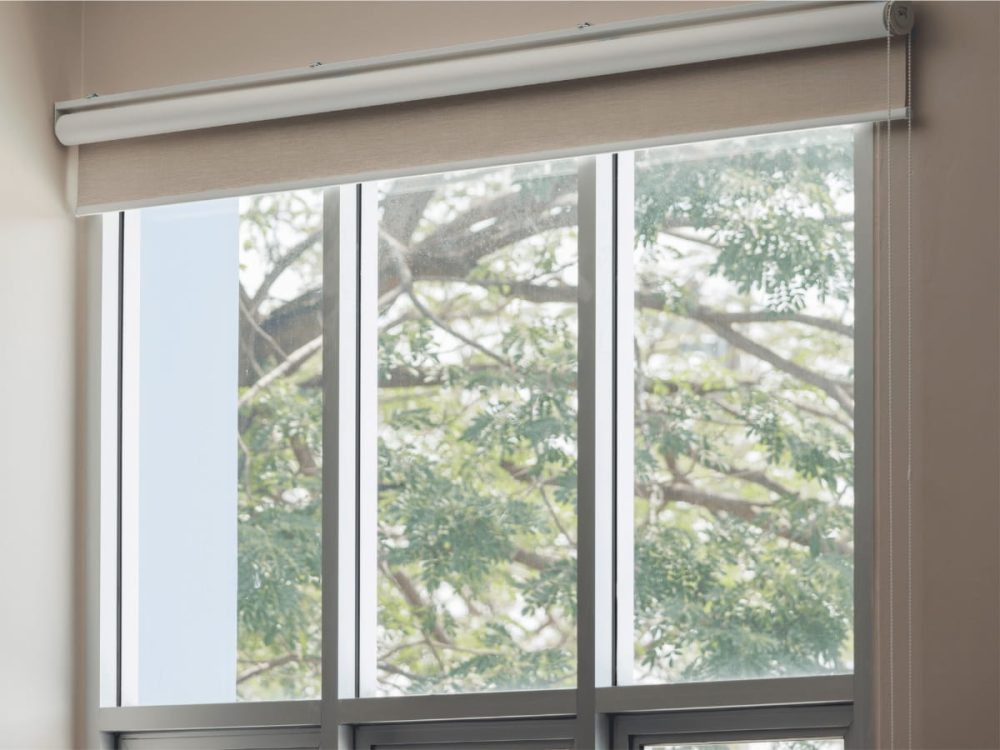
Aluminium windows can support good energy efficiency, but their performance depends on the complete window system. The frame construction, glazing, seals, orientation, shading and installation quality all affect how much heat enters or escapes through a window.
Standard aluminium is conductive, which means heat passes through the frame more readily than through some other materials. This does not automatically make aluminium windows inefficient, but it does mean the frame and glass should be considered together when thermal performance is a priority.
Standard aluminium versus thermally broken aluminium
A standard aluminium frame does not contain an insulating barrier between its internal and external sections. During hot weather, outside heat can transfer through the frame. In winter, indoor warmth can also escape through the aluminium.
Thermally broken aluminium includes an insulating section between the interior and exterior parts of the frame. This thermal break helps reduce heat transfer while retaining the strength, slim profile and durability of aluminium.
Thermally broken frames are often worth considering for rooms with large glazed areas, homes exposed to strong afternoon sun or projects where thermal comfort is an important priority.
Glazing also affects thermal performance
The frame is only one part of a window. The type of glass used also has a major influence on insulation, heat gain and heat loss.
Double-glazed windows contain two panes of glass separated by a sealed space. When paired with an appropriate frame, double glazing can provide better insulation than standard single glazing.
Other glazing options can also help manage glare, sunlight and heat. Homeowners should assess the frame and glass as one complete system rather than assuming that the aluminium frame alone determines energy performance.
Comparing aluminium window performance options
| Window configuration | General performance | When it may suit |
|---|---|---|
| Standard aluminium with single glazing | Durable and low maintenance, but allows more heat transfer than higher-performance systems. | Projects where thermal performance is not the main priority. |
| Aluminium with higher-performance glazing | Can help manage solar heat, glare or heat transfer, depending on the selected glass. | Rooms exposed to direct sunlight, glare or unwanted heat gain. |
| Thermally broken aluminium with double glazing | Reduces heat transfer through both the frame and glass. | Homes prioritising thermal comfort and improved whole-window performance. |
The Window Energy Rating Scheme provides a standardised way to compare the performance of complete window systems, including their frames and glazing.
Choosing energy-efficient windows involves looking at the complete specification. The right combination will depend on the home’s orientation, construction, room use, shading, budget and desired level of insulation.
How do aluminium windows compare with other frame materials?
When comparing aluminium, timber and uPVC windows, homeowners should consider maintenance, thermal performance, frame thickness, appearance and the style of the property. Each material has its strengths, but aluminium often provides the most practical balance for Perth homes.
- Compared with timber: Lower maintenance is one of the main advantages of aluminium frames. They do not require regular painting or staining, while timber needs ongoing care to protect it from sunlight, moisture and changing weather conditions.
- Compared with uPVC: Slimmer frame profiles allow for larger visible glass areas and suit a broad range of window designs. uPVC offers good insulating qualities, although its thicker frames may not suit every opening or architectural style.
- For Perth homeowners: Durability, broad colour choices, low upkeep and flexibility across different window styles make aluminium a practical option for renovations, replacements and new builds.
Homeowners who want stronger thermal performance can also choose thermally broken frames and suitable glazing. This retains the strength and clean appearance of aluminium while reducing heat transfer through the complete window system.
Are aluminium windows a good long-term investment?
Aluminium windows can provide strong long-term value when the complete system is selected for the property. The final cost will depend on the window style, dimensions, colour, glazing, hardware and whether a thermally broken frame is included.
Their resistance to rotting, swelling and warping can reduce the need for frame repairs or early replacement. Powder-coated finishes also require less ongoing upkeep than timber, which can help homeowners avoid regular painting or staining.
Higher-performance glazing and thermally broken frames can improve indoor comfort by reducing unwanted heat transfer. Any effect on heating and cooling costs will depend on the window specification, orientation, shading, installation and how the home is used.
Perth Window & Door also provides a 10-year warranty covering its windows, doors and workmanship. Warranty terms are another useful consideration when comparing complete quotes from different suppliers.
Rather than comparing options by purchase price alone, homeowners should assess whether the windows suit the opening, location, architectural style and desired performance. A properly specified aluminium system can offer better long-term value than a cheaper option that does not meet the needs of the home.
So, are aluminium windows worth it for Perth homes?
For many Perth homeowners, aluminium windows are worth considering because they combine durability, low maintenance and broad design flexibility. Slim frames, powder-coated finishes and custom configurations make them suitable for established homes, renovations and new builds.
Their value depends on choosing the right complete window system. Standard aluminium may suit projects where durability and cost are the main considerations, while thermally broken frames and higher-performance glazing may be preferable where insulation and indoor comfort matter more.
Perth Window & Door supplies custom aluminium windows for a wide range of residential projects. Explore the company’s window and door replacement service, then contact Perth Window & Door to arrange a free measure and quote for your home.
Frequently asked questions
Aluminium does not rust in the same way as iron or steel. However, oxidation or surface corrosion can occur, particularly when frames are exposed to salt, moisture or damaged finishes. Choosing an appropriate powder-coated finish and regularly removing salt, dirt and airborne deposits can help protect the frames.
Aluminium windows can suit coastal properties when the frame system and finish are appropriate for the level of exposure. Homes close to the ocean may require more frequent cleaning to remove salt deposits and maintain the powder-coated surface.
The opening style can also affect ventilation, weather protection and day-to-day use. Homeowners can compare different coastal window styles when selecting windows for properties exposed to salt air and changing coastal conditions.
In many homes, ageing timber windows can be replaced with custom aluminium frames. The existing opening will need to be measured and assessed to determine the appropriate frame size, window style, glazing and installation method.
Once the windows have been selected, knowing how to prepare your home for window replacement can help make the installation process more straightforward.
Cleaning requirements depend on the property’s location and exposure. Frames in sheltered areas may require only occasional cleaning, while coastal or high-traffic locations may need more frequent attention. Tracks, seals, hardware and drainage openings should also be kept clear.
The cost depends on the window dimensions, opening style, frame system, powder-coated finish, glazing, hardware and installation requirements. Double glazing, thermally broken frames, custom shapes and larger openings will generally affect the final price.