Article Highlights
- Low-E glass uses a microscopically thin coating to reduce radiant heat transfer while still allowing natural light into the home.
- Compared with ordinary clear glass, Low-E glass can improve thermal performance, reduce unwanted solar heat gain and limit heat loss.
- The right Low-E glass for a Perth home depends on window orientation, sun exposure, glazing configuration and the desired balance between comfort and natural light.
Looking for a way to improve your home’s energy efficiency without reducing natural light? Low-E glass uses a transparent coating to limit heat transfer through your windows, helping support a more comfortable indoor temperature throughout the year.
It can reduce unwanted solar heat gain in warmer weather and limit heat loss during cooler periods, improving the overall thermal performance of your windows. In this blog, Perth Window & Door Replacement Company explains what Low-E glass is, how it works, the different types available and how it compares with ordinary clear glass.
What Is Low-E Glass?
Low-E glass, short for low-emissivity glass, is a type of energy-efficient glass treated with a microscopically thin, transparent coating. This coating is designed to reduce radiant heat passing through the glass while still allowing visible light into the home.
Unlike ordinary clear glass, Low-E glass helps control heat transfer through windows. Depending on the coating and glazing configuration, it can reduce unwanted solar heat gain, limit heat loss and improve the window’s overall thermal performance.
How Does Low-E Glass Work?
Low-E glass works through a microscopically thin coating made from metal or metal oxide. This transparent coating reflects radiant heat while still allowing visible light to pass through, helping manage heat transfer without making the glass appear heavily tinted.
During warmer weather, the coating can reduce the amount of solar heat entering the home. In cooler conditions, it helps reflect indoor heat into the room rather than allowing it to escape through the glass.
Low-E coatings can also be incorporated into double-glazed windows to improve thermal insulation. The overall performance depends on the type of coating, its position on the glass surface and the design of the insulated glass unit, all of which play a role in window glazing and energy efficiency.
What Are the Different Types of Low-E Glass?
Low-E glass is generally grouped according to how the coating is applied, with hard-coat and soft-coat products being the two main options. Clear Low-E refers to the visual appearance of the glass rather than a separate coating process.
Hard-Coat Low-E Glass
Hard-coat Low-E glass is manufactured by applying the coating while the glass is still hot. The coating bonds firmly to the surface, creating a durable finish that can be used in a range of glazing applications. It helps reduce heat transfer, although it generally provides less thermal insulation than soft-coat Low-E glass.
Soft-Coat Low-E Glass
Soft-coat Low-E glass is made by applying several microscopically thin layers of metal or metal oxide to finished glass inside a vacuum chamber. It typically provides stronger thermal insulation and solar control. Because the coating is more delicate, it is usually protected inside a sealed insulated glass unit.
Clear Low-E Glass
Clear Low-E glass is designed to improve thermal performance while retaining an appearance similar to ordinary clear glass. The term refers to the visual clarity of the glass rather than a separate coating process. It can suit homes where energy efficiency, natural light and a neutral appearance are priorities.
The most suitable Low-E glass will depend on the glazing system, required thermal performance and desired balance between solar control and natural light.
What Are the Benefits of Low-E Glass?
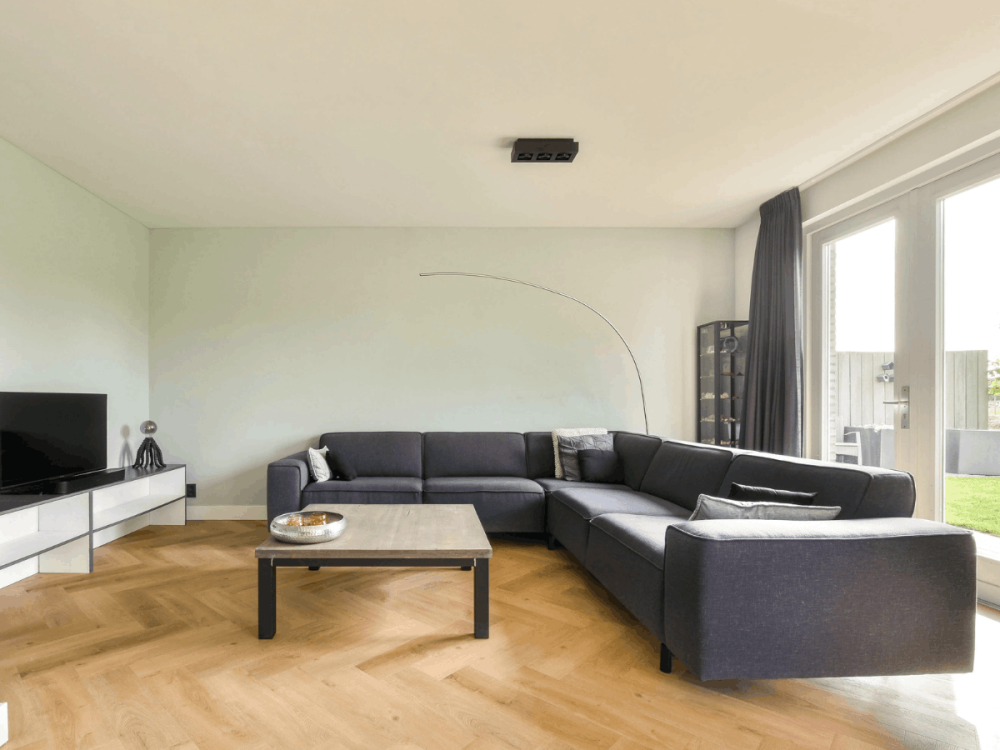
Low-E glass can improve the way windows manage heat, light and indoor comfort. Its transparent coating is designed to limit radiant heat transfer without significantly reducing the natural light entering the home.
Key benefits can include:
- Improved thermal performance: Low-E glass helps reduce heat transfer through windows, supporting more consistent indoor temperatures throughout the year.
- Reduced solar heat gain: Certain Low-E coatings can limit unwanted solar heat entering the home during warmer weather.
- Less heat loss: The coating can reflect indoor radiant heat into the room, which is particularly useful during cooler periods.
- Lower heating and cooling demand: Better control of heat transfer may reduce reliance on air conditioning and heating, supporting a more energy-efficient home.
- Natural light and visibility: Low-E glass allows visible light to pass through, helping rooms remain bright without relying on heavily tinted glass.
- UV protection: Some Low-E products reduce the transmission of ultraviolet radiation, helping limit fading and damage to flooring, furniture and other interior finishes.
The performance of Low-E glass varies between products. The Window Energy Rating Scheme can help homeowners compare whole-window U-values and solar heat gain coefficients.
Low-E Glass vs Ordinary Clear Glass
Ordinary clear glass allows natural light into the home but offers limited control over radiant heat transfer. Low-E glass includes a transparent coating that improves thermal performance while maintaining a relatively clear appearance.
| Comparison factor | Ordinary clear glass | Low-E glass |
|---|---|---|
| Heat transfer | Allows more radiant heat to pass through | Helps reduce radiant heat transfer |
| Thermal performance | Generally lower | Generally higher |
| Solar heat gain | Usually higher | Can be reduced depending on the coating |
| Natural light | Allows high levels of visible light | Still allows visible light to pass through |
| UV protection | Limited | Can reduce UV transmission |
| Cost | Usually lower | Generally higher due to the specialised coating |
Low-E glass may be better suited to homes where energy efficiency and indoor comfort are priorities. Ordinary clear glass may still suit areas where thermal performance is less important.
Is Low-E Glass Suitable for Perth Homes?
Low-E glass can be well suited to Perth’s hot, dry summers and cool to mild winters. By limiting unwanted solar heat gain during warmer weather and reducing heat loss when temperatures fall, it can help support more comfortable indoor temperatures throughout the year.
However, the right Low-E glass will depend on the window’s orientation, size, shading and exposure to direct sunlight. Windows receiving strong afternoon sun may benefit from greater solar control, while other areas may require a different balance between thermal performance and natural light.
What Should You Consider When Choosing Low-E Glass?
Choosing the right Low-E glass involves more than selecting an energy-efficient coating. The window’s orientation, exposure to direct sunlight, glazing configuration and desired balance between natural light and solar control should all be considered. For a window replacement project, the glass should be selected as part of the complete window system to ensure it suits the home and its specific performance requirements.
Key factors to consider include:
- Window orientation: Windows facing north, east, west and south receive different levels of sunlight and may require different glazing performance.
- Solar heat gain coefficient: A lower SHGC means less solar heat passes through the window. However, the most suitable rating will depend on the window’s orientation, shading and desired balance between summer solar control and winter warmth.
- U-value: When comparing complete window products, a lower whole-window U-value generally indicates better resistance to heat flow.
- Coating type: Hard-coat and soft-coat Low-E glass offer different levels of durability, insulation and solar control.
- Glass appearance: Clear and tinted options can affect visible light, colour and the overall appearance of the window.
- Glazing configuration: Low-E glass may be used in single glazing or as part of a sealed double-glazed unit.
What Is Low-E Argon Glass?
Low-E argon glass combines a Low-E coating with argon gas inside a sealed double-glazed unit. The coating helps control radiant heat transfer, while the argon gas slows conductive heat transfer between the panes because it conducts less heat than ordinary air.
Together, these features can improve the insulating performance of the glazing unit and help maintain more stable indoor temperatures. Overall performance will depend on the coating, glass configuration, cavity width, spacer system and seals.
The most suitable Low-E glass should be selected based on how each window is positioned and how the room is used. Comparing these factors with a window professional can help identify a glazing option that supports comfort, natural light and energy efficiency without over-specifying the glass.
Does Low-E Glass Reduce UV Radiation?
Some Low-E glass products can reduce the amount of UV radiation passing through a window while continuing to allow visible light into the home. This may help slow fading and deterioration affecting flooring, curtains, furniture and artwork.
However, UV protection varies between coatings and glazing configurations. Low-E glass should not be assumed to block all UV radiation, so the product specifications should be checked when UV protection is a key priority.
Find the Right Low-E Glass for Your Home
The right Low-E glass should suit your home’s window orientation, sun exposure, glazing configuration and energy-efficiency goals. Comparing these factors can help you choose an option that supports indoor comfort without unnecessarily reducing natural light.
Perth Window & Door Replacement Company can help you assess the available glazing options and find a practical solution for your home. Contact the team to arrange a free consultation or visit the Malaga showroom to discuss your requirements.
Frequently Asked Questions
Low-E coatings are applied during glass manufacturing, so they cannot usually be added directly to glass that is already installed. In most cases, the existing pane or sealed glazing unit must be replaced with a suitable Low-E glass product. Retrofit window films are a separate option and may provide different levels of thermal performance.
Check the original product label, invoice or glazing specifications, or ask the window supplier. A professional can also use a Low-E coating detector to confirm whether a coating is present, as many clear Low-E products are difficult to identify by appearance alone.
The coating position depends on the type of Low-E glass and the glazing configuration. In double-glazed units, it is commonly placed on a surface facing the sealed space between the panes, although the correct position varies between passive and solar-control coatings.
Cleaning requirements depend on the glass product and whether the Low-E coating is protected inside a sealed unit or exposed on an accessible surface. Use a soft, clean cloth and follow the manufacturer’s instructions, avoiding abrasive cleaners, blades or tools that could damage an exposed coating.