Living in Perth means occasionally dealing with harsh weather conditions. One day, you’re cranking the air conditioning because the sun’s beating down on your windows, and a few months later, you’re hunting for that extra blanket when winter comes around.
Your windows deal with all of it, and if they’re not properly weatherproofed, you’ll feel every degree of discomfort while watching your energy bills climb.
Weatherproofing isn’t just about slapping some tape around the edges or relying on simple DIY fixes. It’s about understanding the proper steps to protect your home, and how our unique climate in Perth puts pressure on your window frame, window sill, and window sashes.
Why Perth’s Climate Demands Proper Window Weatherproofing
Perth sits in a climate zone that throws everything at your windows and doors. Summer heat on glass can reach incredibly high temperatures during those scorching January afternoons. That’s a lot of heat trying to push its way into your home, contributing to higher energy costs.
Then, winter arrives with its wind-driven rain and those mornings when the temperature drops below six degrees. Your windows suddenly become the weak point where warm air inside meets cold air outside, creating condensation, cold drafts, air leaks, and even mould growth if the seals aren’t properly installed.
Research from the CSIRO shows that poorly sealed windows and poor insulation account for up to 25% of significant heat loss in winter. That’s energy escaping through visible gaps and unsealed window sashes, which can lead to high energy bills. In summer, old windows or single-pane windows without proper protection let in excessive heat, forcing your cooling system to work overtime.
Understanding Heat Transfer Through Your Windows
Before we dive into solutions, it’s worth understanding how heat transfer happens through windows. There are three main reasons: conduction through the glass and window frame, radiation from the sun, and air leakage through window sashes, drafty windows, or visible gaps.
Old windows with broken seals or poor insulation create what we call thermal bridges. These are pathways where warm air inside and cold air flow freely between inside and outside, completely bypassing your home’s insulation. You’ll notice cold drafts near windows in winter or feel that slight breeze even when everything looks closed.
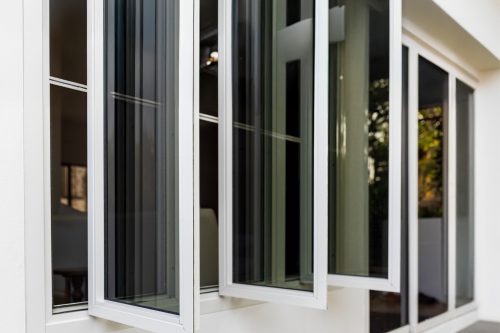
Double-glazed windows, double-pane windows, or double-hung windows help reduce conductive heat loss, but only if the seals are intact. When those seals fail, moisture pumps into the space between the panes, and you lose most of the insulating benefit.
What are the Best Ways to Weatherproof Windows?
Professional Airtight Sealing and Weather Stripping for Winter
This is the foundation of weatherproof windows, and it’s where most DIY window insulation tips fall short. You can pick up foam weather stripping, door sweeps, bubble wrap, plastic wrap, or double-sided tape from the hardware store and use these as draft stoppers, but professional-grade sealing uses materials designed specifically for Perth’s UV exposure and temperature swings to seal windows properly.
The window sill often gets overlooked, but it’s a prime spot for water to enter your home. Professional sealing includes checking the drainage path and making sure water that does get in can escape without causing structural damage. Using new caulk or a tight seal around the window frame is a key thing to prevent leaks.
Upgrading to Double Glazed Windows with Low-Emission Glass
If you’re serious about energy efficiency and saving money, this is the best way to minimise heat loss in cold winter months and prevent excessive heat in summer. Double-glazed windows with low-emissivity coatings will prevent up to 70% of heat loss and 77% of heat gain.
Our range of energy-efficient windows includes options suited to Perth’s climate zone. We can help you choose the right combination of glass coating, gas fill, and window frame material for your specific situation, whether you’re dealing with western sun exposure or trying to maintain natural light without the heat.
Improving Performance with Window Film or Secondary Glazing
If you’re not yet ready for new windows or are on a budget, there are intermediate options that will still deliver meaningful results. Window film keeps your rooms bright without turning them into ovens. The key is professional installation; a DIY application often traps moisture or creates bubbles that ruin the effect.
Secondary glazing involves fitting an additional pane on the interior side of your existing windows, creating an insulating layer. It’s particularly useful in heritage homes where you can’t replace the original window sashes but still need better thermal performance. The air gap acts as insulation while the inner pane stops cold air from reaching your living space.
Weatherproof Windows from Outside Through Shutters and Shade
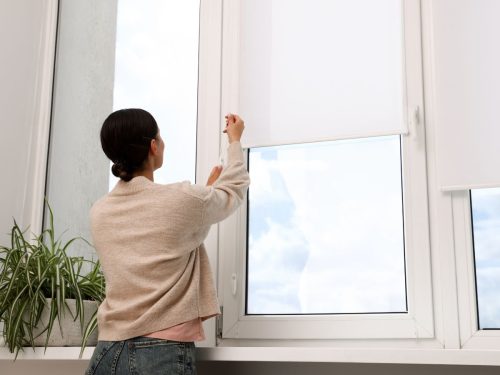
The best way to weatherproof windows from the outside is to stop the heat before it reaches the glass. Once the sun hits your windows, even good-quality glass will still absorb some of that heat. Outdoor shading, like roller shutters or awnings, creates a strong barrier against the sun and helps reduce heat loss.
External shutters also work well throughout the year. In summer, they act as your first line of defence against heat, and in winter, they will shield your windows from strong winds or the occasional storm. Aluminium, specifically, holds up quite well to Perth’s strong UV exposure and comes in finishes that suit most home styles, while insulated curtains or other insulated options add another layer of thermal protection.
Scheduling Professional Inspection and Maintenance
Even the best weatherproof windows need regular attention. Seals fatigue under UV exposure, window frames expand and contract with temperature changes, and hardware loosens over time. This is why it’s recommended to have annual professional inspections, ideally before summer and winter hit their peaks.
During these checks, professionals will look at the airtight seal around the window frame, test for air flow with specialised equipment, and check that drainage weeps aren’t blocked.
Maintenance also includes cleaning tracks and lubricating moving parts so window sashes operate smoothly. When windows don’t close properly because they’re stiff or misaligned, people often don’t fully close them, creating unnecessary drafts. It’s about catching small issues before they become expensive repairs or cause high energy bills.
Why Professional Installation Matters for Weatherproof Windows
You’ll find plenty of DIY window insulation tips online, and some of them work for minor draft stoppers. However, the quality of your window installation is what makes the difference in keeping your home comfortable and energy-efficient.
- DIY solutions have limits: Lasting, warranty-compliant results need professional materials and installation.
- Professionals do things differently: Among other things, they understand which sealants work in Perth’s climate and have the right tools.
- Poor installation can lead to issues: Poor installation of even premium products can lead to problems, such as double-glazed windows that leak air due to unsealed gaps.
- Longevity and performance are prioritised: Proper installation ensures that your windows last longer and continue to protect your home effectively while helping reduce energy costs over time.
Taking the Next Step with Your Windows in Perth
We’ve been serving Perth families since 1983, and we’ve seen just about every telltale sign of old windows or drafty windows that this climate can throw at a building. Our team can assess your existing windows, explain what’s working and what isn’t, and recommend solutions that fit your budget and goals.
Whether you’re planning a renovation, building new, or just tired of drafty windows and high energy costs, we’re here to help. Our complimentary measure-and-quote service means you’ll know exactly what’s involved before making any decisions. Reach out to our friendly team today.