Getting your blind measurements right the first time saves you money, hassle, and the disappointment of ill-fitting window coverings. If you’re tackling a DIY project in your Perth home or just want to understand the process before ordering, knowing how to properly measure blinds for your windows makes all the difference. Perth’s harsh climate means your blinds need to fit perfectly to block out that intense summer sun and keep your home comfortable.
1. Gather Your Tools
Before you start measuring your windows for blinds, gather the right tools. You’ll need:
- Steel tape measure (measuring in millimetres gives you the most accurate results)
- Pencil
- Paper or your phone to record measurements
- Step ladder (if you’re working with tall windows)
Take a moment to check for obstructions around your window frame. Look for:
- Window winders or handles that stick out
- Security screens bolted inside the reveal
- Tiles or splashbacks near the frame
- Skirting boards below the window
- Mullions or dividers in the frame
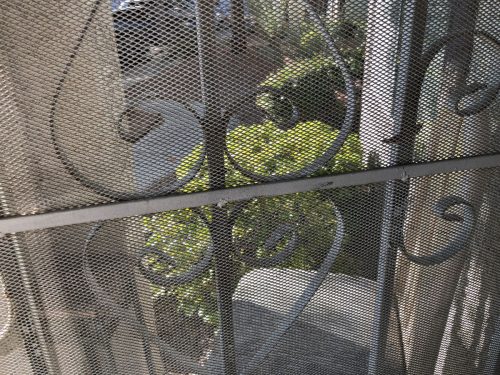
Many 1980s Perth homes have metal security screens bolted inside the window reveal. If you’ve got these, you’ll need to measure between the screen frame, not the glass frame itself.
2. Decide Between Inside Mount or Outside Mount
The first big decision when you measure your windows is whether you want an inside mount or an outside mount. This choice affects how your blinds look and function.
Inside mount means your blinds sit inside the window frame. This creates a cleaner, more streamlined look and doesn’t take up any architrave space. The downside? You need enough frame depth. Inside mounts work best when your window frame is square and in good condition.
Outside mount means your blinds sit on the wall or architrave outside the window opening. This option works well if your frame is shallow, damaged, or out of square. Outside mounts also give you better light blockage because they cover the entire frame and any gaps around it.
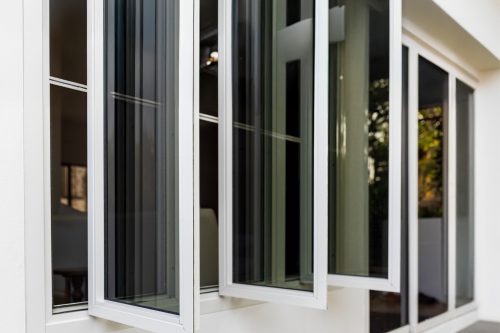
If you’re dealing with windows that open inwards (like casement or awning styles), check that inside-mounted blinds won’t block the window from opening fully.
3. Measure Your Windows: Inside Mount Blinds
When measuring blinds for an inside mount, accuracy matters. Window frames are rarely perfectly square, so you’ll measure at three places for both width and drop.
Width Measurement
Measure the inside of your window reveal at three points: top, centre, and bottom. Write down all three measurements. Use the narrowest measurement as your final width. This ensures your blind will fit even if the frame isn’t perfectly square.
Drop or Height Measurement
Measure from the top of the reveal to the bottom at three places: left side, middle, and right side. Record all three measurements. This time, use the longest measurement. This prevents gaps at the bottom of your blind.
Depth Check
Measure how deep your window reveal is from the glass to the front edge of the frame. You need to make sure there’s enough space for your chosen blind type to fit inside without hitting the glass or window handles.
Most blind manufacturers automatically deduct about 10 mm from your width measurement to allow clearance for the blind to operate smoothly. Don’t make deductions yourself unless your supplier specifically tells you to. Just provide the actual measurements you’ve taken.
Many Perth homes built in the 1970s-90s have aluminium window frames with internal beads. Check these measurements carefully before deciding on an inside mount, as some blind types might not fit comfortably.
4. Measure Your Windows: Outside Mount Blinds
Outside mount measuring gives you more flexibility, but you’ll need to decide how much coverage you want beyond the window frame. It’s also important to note that the blinds, according to Energy Australia, should reach the floor and wrap to the wall on either side of your window.
Width Measurement
Measure from the outer edge of the architrave on one side to the outer edge on the other side. If you don’t have architrave, or you want better light blockage, add 50–100 mm to each side of the window opening. This overlap helps block light gaps and makes your window look more substantial.
Drop or Height Measurement
Measure from where you’ll mount the headrail (usually the top of the architrave or wall above the window) down to where you want the blind to finish. Most people finish about above the window sill, but for doors or full-length windows, you might go all the way to the floor.
Bracket Placement
Think about where you’ll mount the brackets. Make sure you’re not drilling into tiled splashbacks or areas where you can’t get a solid fixing. If you’re mounting above the architrave, check that you’re drilling into solid timber or use appropriate wall anchors.
For Perth homes with large windows facing west, outside mounts with good overlap can significantly reduce heat gain during those scorching summer afternoons.
Tips & Tricks For Perfectly Fitting Blinds
Getting your measurements spot-on doesn’t have to be complicated, but a few simple tips will help you avoid the most common mistakes made by those who prefer to DIY.
Common measuring mistakes to avoid:
- Using a cloth tape measure instead of a steel one (cloth tapes stretch and give inaccurate readings)
- Rounding measurements to the nearest centimetre (always work in millimetres)
- Swapping width and drop on your order form (width is always the horizontal measurement)
- Forgetting to check if the windows open inwards before choosing an inside mount
- Not accounting for protruding handles or window winders
- Measuring from the glass instead of from the reveal edges
- Making your own deductions from measurements (let the manufacturer do this)
Getting Your Measurements Right With Perth Window and Door
Measuring your windows for blinds might seem straightforward, but taking the time to do it properly saves you from costly mistakes and ensures your new blinds fit perfectly and function smoothly.
If you’ve measured your windows and discovered that your frames are damaged, out of square, or simply past their best, we can help. At Perth Window & Door Replacement Company, we’ve been helping Perth homeowners with quality window solutions for nearly 40 years. Our team can assess your existing frames and provide custom-made replacements that work perfectly with your new blinds, all backed by our 10-year warranty.
Contact us for a free measure and quote, and we’ll make sure everything fits right the first time.
Frequently Asked Questions
The best way is to use a steel tape measure and take measurements at three different points for both width and height. For inside mounts, record the narrowest width and longest drop. For outside mounts, measure the full area you want to cover, including any overlap beyond the frame. Always measure in millimetres for the most accurate results.
In Australia, we measure blinds in millimetres or centimetres. Most blind suppliers work in millimetres because it gives the most precise measurements. Avoid converting to inches, as this can introduce errors, and most Australian manufacturers don't work in imperial measurements.
If you're replacing existing blinds, you can measure the width of the headrail (the top part that holds the blind). However, it's always better to re-measure your window properly rather than assuming the old blinds were the right size. Windows can shift over time, especially in Perth's climate, where frames expand and contract with temperature changes.