Article Highlights
- Casement windows are hinged on one side and swing outward, offering exceptional ventilation control and the ability to capture Perth’s cooling sea breezes.
- Aluminium casement windows suit Perth’s coastal climate with low-maintenance frames, custom sizing, and options for double glazing and energy-efficient glass.
- Proper installation, quality seals, and compatible flyscreen solutions make casement windows a practical choice for bedrooms, kitchens, and living areas.
If you’re weighing up window options for your Perth home, casement windows deserve a closer look. They’re one of those designs that quietly does a lot of work: bringing in fresh air, letting in natural light, and sealing tightly when closed. For homeowners renovating or replacing old timber frames, they offer a blend of function and flexibility that’s hard to beat.
Let’s walk through what casement windows actually are, how they work, and why they might be the right fit for your home.
What are casement windows?
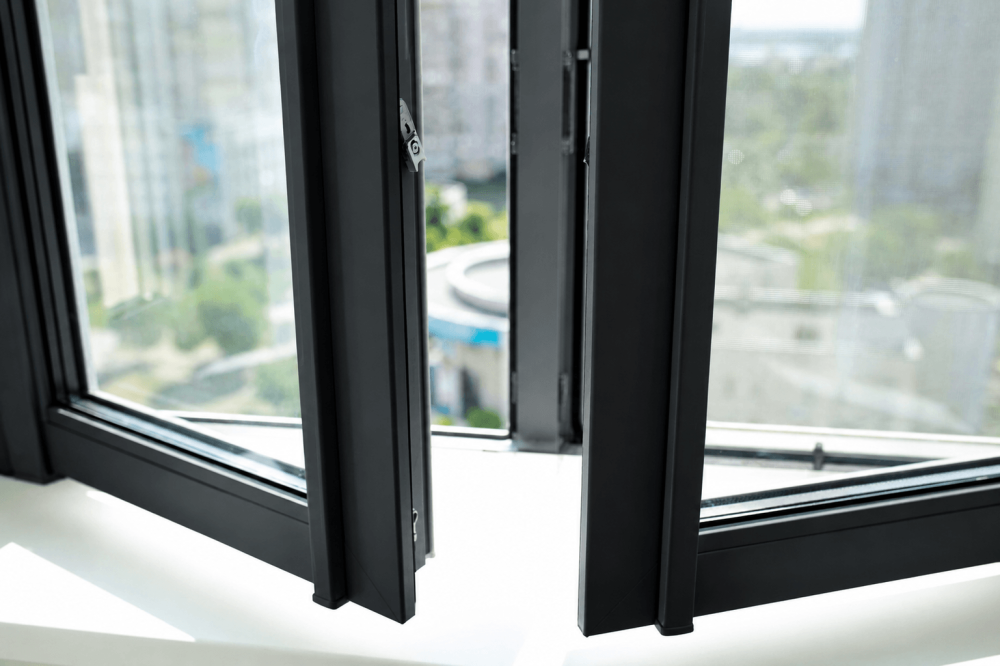
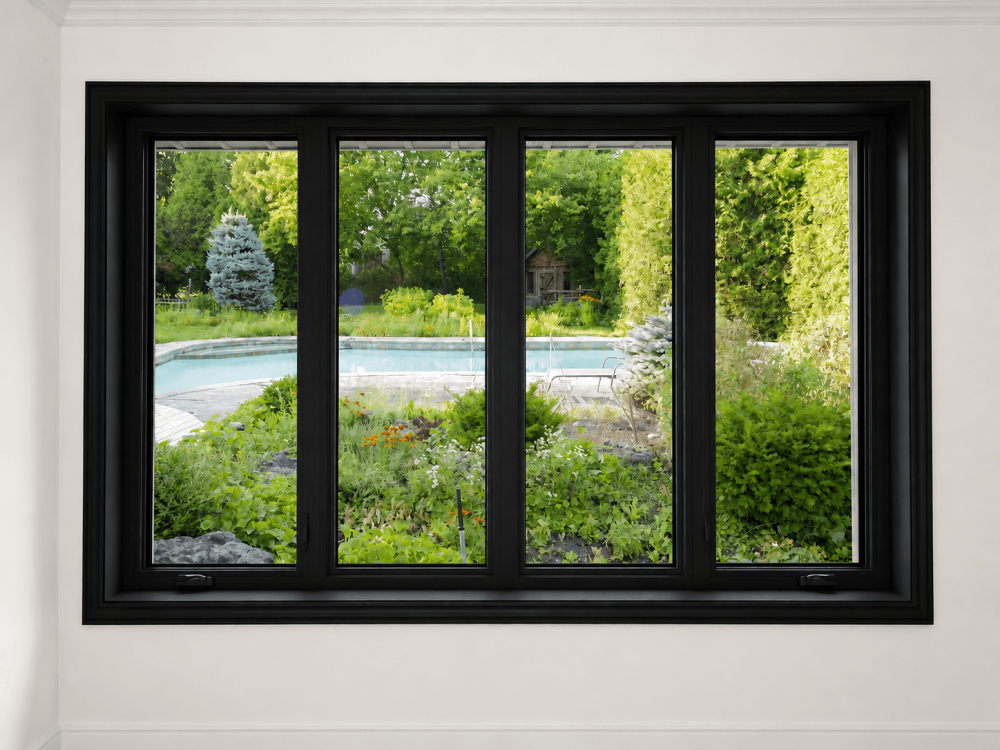
Casement windows are windows that hinge on one side and open outward from the frame. Unlike sliding windows that move horizontally along a track, casement windows swing open like a door, usually operated by a handle, lever, or winder. Because the entire sash can open, they provide strong ventilation, unobstructed views, and a clear opening compared with many other window styles.
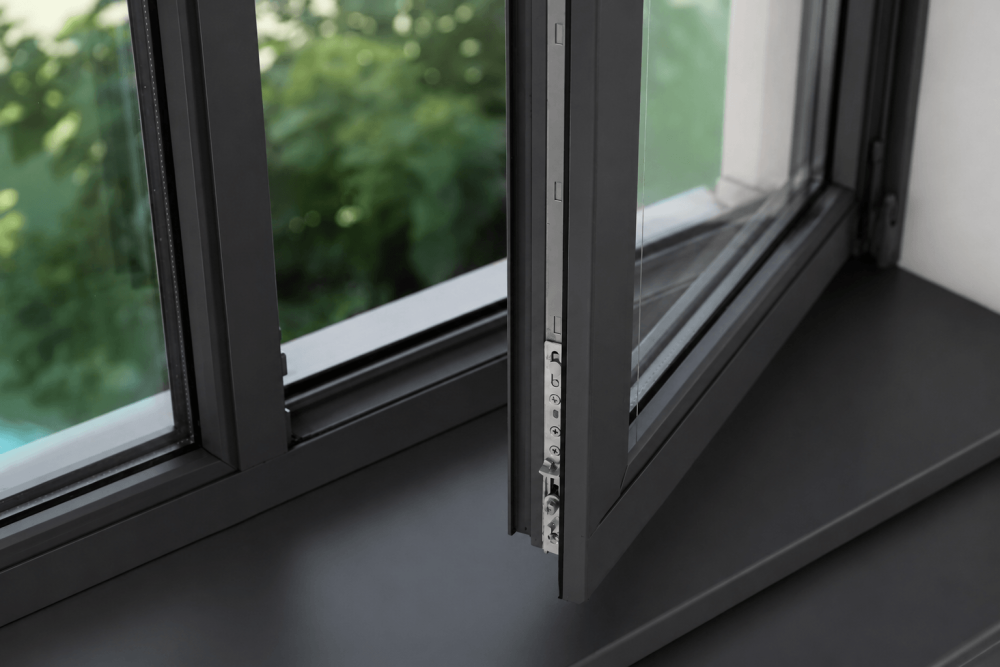
The sash attaches to the window frame using hinges, and when you turn the handle, the window projects outward. This outward swing is what sets them apart from awning windows (which hinge at the top) and traditional sash windows (which slide vertically).
How do casement windows open?
The window sash is hinged on one side, typically the left or right edge. When you turn the handle or crank the winder, the window opens outward, away from your home. This design allows almost 100% of the opening area to be used for airflow, which is a real advantage during Perth’s warm months.
Because the window projects outside, you’ll need to consider exterior clearance. Casement windows work well where you want to control airflow into a room, but they may not suit locations where the window would open into a walkway, narrow side passage, or external obstruction like a fence or garden bed.
They’re particularly good at catching side breezes. Perth’s afternoon “Fremantle Doctor” sea breeze is a perfect example: a casement window can be angled to scoop that cooling air straight into your living room or bedroom.
Casement windows vs awning windows: what’s the difference?
Both casement and awning windows open outward, but the hinge placement changes how they function.
| Window Type | How It Opens | Best For | Key Benefit |
| Casement windows | Hinged on one side and open outward | Bedrooms, living rooms, kitchens, narrow openings | Strong side ventilation and clear views |
| Awning windows | Hinged at the top and open outward from the bottom | Bathrooms, laundries, high wall placements | Ventilation with better rain protection |
| Sliding windows | Slide horizontally along a track | Wider openings and compact areas | Simple operation and no outward projection |
| Double Hung/Sash windows | Move vertically or use traditional sash operation | Character homes and traditional styles | Classic appearance |
Awning windows can be a better option for high placements, bathrooms, and rooms where you want ventilation during light rain. Casement windows are better when side airflow and a wider opening are priorities.
What are the main benefits of casement windows?
Casement windows bring in fresh air
Casement windows can open wide and help direct breeze into the room. Because they open outward, the sash can act almost like a small scoop for airflow. This makes them useful for Perth’s warm months when you want maximum ventilation without leaving doors open.
They’re particularly effective in bedrooms, kitchens, and living areas where cross-breeze potential matters. If you’re renovating and want better airflow control, aluminium casement windows can be custom-made to suit your home’s layout and orientation.
They offer natural light and unobstructed views
Casement windows can create a clean, open view because there’s no central sliding overlap or vertical rail interrupting the glass. When open, the sash swings out of the way entirely, giving you an unobstructed outlook onto gardens, courtyards, or outdoor areas.
Slim aluminium frames also mean more glass area and less visual bulk, which suits modern home styles and helps bring in more natural light throughout the day.
They can support energy efficiency
Casement windows can seal tightly when closed, which helps reduce unwanted air leakage. This is useful when paired with the right frame, glass, and installation. When closed properly, hook locks compress the sash against the frame, creating a superior air-water seal compared with sliding windows.
Double glazed casement windows can improve insulation and comfort, particularly in bedrooms or living areas. Low-E glass and tinted glass are also options worth considering for west-facing rooms that cop the afternoon sun.
Windows are responsible for up to 86% of summer heat gain in Australian homes, so the right glazing choice matters. U-Value measures how easily heat passes through the whole window system; a lower U-Value means better resistance to heat flow. SHGC measures solar heat gain through the glazing. Lower SHGC glass can help reduce unwanted heat gain, which is important for exposed Perth windows facing west.
Double-glazed casement windows with Low-E glass can cut west-facing solar heat gain by up to 65%, which can make a noticeable difference to year-round comfort and cooling costs.
They’re easy to operate
Casement windows are usually user-friendly because they can be opened with a handle, lever, or winder. The smooth function makes them accessible for older homeowners or anyone who finds other window styles awkward to operate. You also have controlled opening width, so you can adjust how much air enters the room depending on the weather.
For hard-to-reach spots, the hardware choice matters. Some winders allow you to open the window without leaning out, which can be handy for high placements or windows above kitchen sinks.
They can improve security
Casement windows can be fitted with secure locks and quality hardware. When closed properly, the sash sits firmly within the frame, and multiple locking points can significantly improve security compared with window types that rely on a single latch.
Aluminium frames also offer durability and strength, and when combined with toughened glass and professional installation, they provide solid protection. Restrictors are available where appropriate, and insect screens or flyscreens can be added without compromising security.
They’re low maintenance
Aluminium frames are durable and low-maintenance, which makes them a good long-term investment for homeowners renovating in Perth. Powder-coated colours resist fading and corrosion, even in coastal areas where salt air can damage other materials. There’s no timber sanding, sealing, or painting required.
Minimal upkeep means you can wipe down the frames with mild soapy water, clean the glass regularly, and check the hinges and locks occasionally. That’s about it. For Perth’s harsh climate, aluminium windows in Perth can last 25 to 40 years with proper care.
Can casement windows be double glazed?
Yes, many casement windows can be double glazed, depending on the frame system and product selected. Double glazing creates a thermal barrier that minimises heat transfer, helping to maintain a comfortable indoor temperature year-round and reduce energy costs.
Double glazing can also reduce outside noise, which may be useful for bedrooms, living areas, or homes near busy roads. That said, double glazing alone doesn’t guarantee a comfortable room. Orientation, shading, frame type, seals, ventilation, and installation quality all affect performance.
If you’re considering double glazing, it’s worth discussing your home’s orientation and exposure with a professional. Western-facing rooms, for example, may benefit more from Low-E glass or tinted glass combined with external shading.
Can you put flyscreens on casement windows?
Yes, but the screen style matters because casement windows open outward. Casement windows usually need internal screens because the sash opens outward, and regular fixed screens would block the window from opening.
Retractable flyscreens are a common option. They mount inside the reveal so the sash can still swing freely. Magnetic or hinged screens may suit some older windows, but screen choice depends on handles, winders, frame depth, and how the window opens.
Professional measurement is important to make sure the screen fits properly and doesn’t interfere with the window’s operation. Suitable meshes include PVC-coated fibreglass or stainless steel, with stainless steel often recommended for bushfire-rated areas.
Where do casement windows work best?
Casement windows suit bedrooms that need fresh air, bathrooms where airflow matters, and kitchens where steam and heat need to escape. They’re also useful in living rooms where natural light and views matter, and in narrow wall spaces where sliding windows are less effective.
For renovations, they’re a modern but simple window style that can replace old timber frames without major structural changes.
That said, they may not suit walkways, patios with furniture directly outside, or areas with exterior obstructions. Very exposed wind-facing elevations may also need careful consideration, and tight spaces where an outward-opening sash may be awkward aren’t ideal.
Are casement windows a good choice for Perth homes?
Perth’s warm climate makes ventilation important, and casement windows can help capture breeze, particularly the afternoon sea breeze that cools many suburbs. Coastal homes should consider aluminium frames, suitable hardware, and powder-coated finishes to resist salt air corrosion.
Western-facing rooms may benefit from tinted glass, Low-E glass, shading, or double glazing to manage heat gain. Professional window installation helps with seals, weather performance, and long-term operation.
Compliance also matters. AS 2047:2014 covers materials, testing, construction, installation, and glazing for external windows and glazed doors in buildings. All glazed windows and doors in an external wall are required to be tested to this standard, with some exceptions. Perth Window & Door Replacement Company supplies and installs products built to Australian standards, which gives you peace of mind that your windows meet WA Building Code requirements.
What are the disadvantages of casement windows?
The main disadvantage of casement windows is that they open outward, so they need enough external clearance and suitable placement. They may not be the best option beside narrow paths, outdoor seating areas, or exposed wind-facing elevations.
Strong winds may catch the sash if left open, and screens are needed if the window hardware makes screening more complex. If you want a window style that doesn’t project outward, sliding windows or awning windows might suit better.
Regular maintenance of hinges, stays, and winders is also important. If you ignore upkeep, the window may become stiff or fail to close properly.
Casement windows vs sliding windows: which is better?
| Feature | Casement Windows | Sliding Windows |
| Ventilation: | Can open wide and help direct airflow | Usually only one side opens |
| View: | Can offer clearer views | Centre rail or overlapping panels may interrupt views |
| Space: | Opens outward, so needs external clearance | Does not project outward |
| Operation: | Handle, lever, or winder | Slides along track |
| Screens: | Usually need internal or retractable screens | Often easier to screen |
| Best For: | Airflow, bedrooms, kitchens, living rooms | Wide openings, compact external spaces |
Neither is universally better. It depends on your home’s layout, your priorities, and where the window will be installed.
How do you choose the best casement windows?
Here’s a practical checklist:
- Measure the window opening professionally.
- Consider whether the window has enough room to open outward.
- Choose aluminium frames for low maintenance and durability.
- Consider double glazed or tinted glass for comfort.
- Match colours to existing windows and doors.
- Check flyscreen options early.
- Choose suitable locks and hardware.
- Consider exposure to sun, rain, wind, dust, and coastal air.
- Use professional installation for weather sealing and smooth operation.
If you’d like to see options in person, you can visit our Malaga showroom to discuss colours, glazing, screens, and hardware with our team.
How do you maintain casement windows?
Maintenance is straightforward:
- Wipe frames with mild soapy water.
- Clean glass regularly.
- Remove dust from tracks, sills, and seals.
- Check hinges, stays, locks, and winders.
- Don’t force a stiff sash.
- Book professional advice if the window doesn’t close or seal properly.
- Clean flyscreens gently to protect the mesh.
For coastal Perth homes, it’s worth wiping down frames more often to remove salt buildup, which can affect powder-coated finishes over time if left unchecked.
Why choose Perth Window & Door for casement windows?
We’ve been servicing Perth homes for nearly 40 years, and we supply and install aluminium casement windows for renovations, replacements, and new builds. Our windows are custom-made to suit your home, with a range of colours, styles, and glazing options available.
We’ll measure and quote at your property, help you choose the right solution for your needs and budget, and install your windows to Australian standards. Our team can also discuss flyscreen options, hardware, and colours to make sure everything works together.
If you’re ready to talk about window replacement or want advice on the best casement windows for your Perth home, give us a call on (08) 9249 2099 or drop by our Malaga showroom.
Frequently Asked Questions about Casement Windows
Casement windows are hinged on one side and open outward from the window frame. They're designed to provide fresh air, natural light, and strong ventilation control.
In Australia, a casement window usually refers to an outward-opening hinged window. It may use a handle, winder, or stay to control the opening.
Homeowners often choose casement windows because they provide good airflow, clear views, easy operation, and strong sealing when closed.
A casement window is hinged on the side and opens outward. An awning window is hinged at the top and opens outward from the bottom.
Yes, many casement windows can be double glazed, depending on the frame system. Double glazing can support better insulation, comfort, and noise reduction.
Yes, but the right flyscreen depends on the window design. Because casement windows open outward, retractable, hinged, or internally fitted screens are often used.
They can be energy efficient when they're properly sealed, professionally installed, and paired with suitable glass. Double glazing, Low-E glass, tinted glass, and quality frames can all improve performance and create energy efficient windows.
The main drawback is that casement windows need external clearance because they open outward. They may not suit narrow paths, areas with outdoor furniture, or very exposed locations where wind could catch the sash.
No. Casement windows are still a popular choice for modern homes, renovations, and traditional properties because they offer ventilation, clean lines, and flexible design options.
The best coverings depend on how the window opens and where it's installed. Roller blinds, curtains, shutters, and internal screens may work, but the hardware and opening direction should be checked before choosing coverings.